
As countries look for cleaner ways to produce electricity, geothermal energy is becoming an increasingly interesting option. It uses heat stored beneath the Earth's surface and can provide energy even when the sun is not shining or the wind is not blowing.
One technology that could help expand its use is the Enhanced Geothermal System (EGS). Instead of relying entirely on naturally occurring underground water and rock formations, EGS uses engineering techniques to help water circulate through hot rock and carry heat back to the surface.

Geothermal power plants use heat from underground to produce energy. Photo: Tatyana Rubleva on Unsplash.
What Are Enhanced Geothermal Systems?
Traditional geothermal power plants usually depend on underground areas that naturally contain heat, water, and rock formations that allow fluids to move. These conditions are not available everywhere, which limits the number of suitable locations.
EGS aims to overcome some of these limitations. Engineers drill deep wells into hot rock and create or improve pathways that allow water to circulate. As the water moves through the heated rock, it absorbs thermal energy and returns to the surface. That heat can then be used to generate electricity or support heating systems.
The idea is straightforward: make it possible to access underground heat in places where a conventional geothermal system may not be practical. The success of each project still depends on local geology, engineering design, and cost.
Why Is Geothermal Energy Important?
One major advantage of geothermal energy is its potential to provide a steady supply of power. A well-designed geothermal plant can operate day and night, which can help complement renewable sources such as solar and wind.
Geothermal power can also have relatively low greenhouse gas emissions compared with fossil fuel generation. However, its environmental impact varies by project. Drilling, water management, and the release of underground gases all need to be considered.
Another benefit is that geothermal facilities can have a relatively small surface footprint. In suitable locations, this makes geothermal energy a useful option for producing electricity without requiring extensive areas of land for the power plant itself.
How Drilling Technology Is Improving
Drilling deep wells is one of the most expensive parts of an enhanced geothermal project. Equipment must withstand high temperatures and challenging underground conditions while reaching the target depth safely.
Researchers are working on improved drilling methods, better underground sensors, and more accurate ways to monitor the flow of water through hot rock. These advances could make projects more efficient and help developers understand underground conditions before expanding a system.
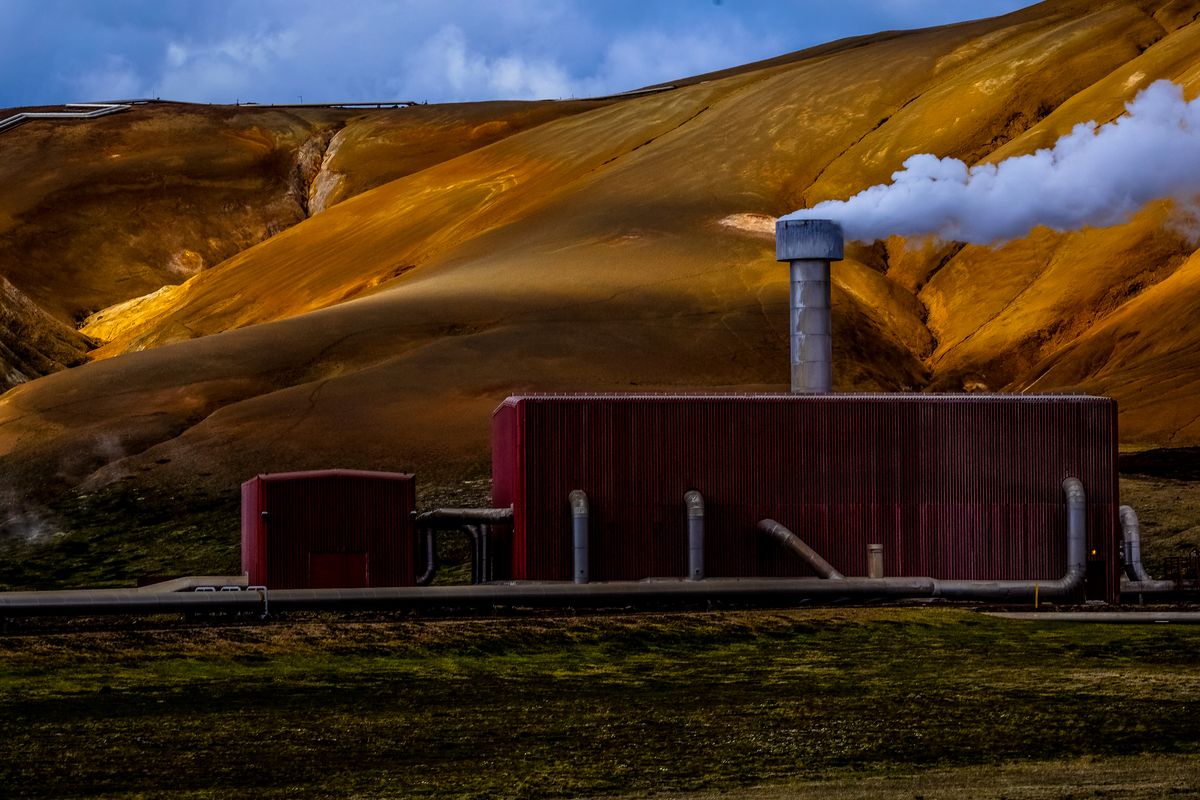
Geothermal facilities turn underground heat into a useful energy resource. Photo: Francesco Ungaro on Pexels.
Research and Industry Developments
Research programmes play an important role in testing how enhanced geothermal systems can be developed safely and efficiently. One example in the United States is the Frontier Observatory for Research in Geothermal Energy, known as FORGE. It supports research into techniques for creating and improving geothermal reservoirs in hot rock.
Universities, research organisations, and energy companies are also investigating ways to reduce drilling costs and improve how geothermal reservoirs are managed. Progress in these areas could help make more projects financially viable.
Challenges That Still Need Attention
EGS has potential, but it is not a simple solution that works everywhere. Deep drilling requires substantial investment, and the underground conditions can vary greatly from one site to another. A project may be technically possible but still too expensive to operate commercially.
Another issue is induced seismicity. Changing pressure underground or injecting fluid into rock can sometimes trigger earthquakes. Developers need to assess local conditions, monitor seismic activity, and follow suitable procedures to manage this risk.
Water availability, long-term reservoir performance, and the cost of building surface facilities also need careful consideration. Continued research and responsible planning will be important as the technology develops.
Conclusion
Enhanced Geothermal Systems offer a promising way to access heat stored deep beneath the Earth's surface. By improving how water circulates through hot rock, the technology could make geothermal energy practical in more locations.
There are still challenges, particularly around drilling costs, suitable geology, and environmental monitoring. Even so, further research and engineering improvements could help EGS become a valuable part of a cleaner and more reliable energy mix.



0 Comments